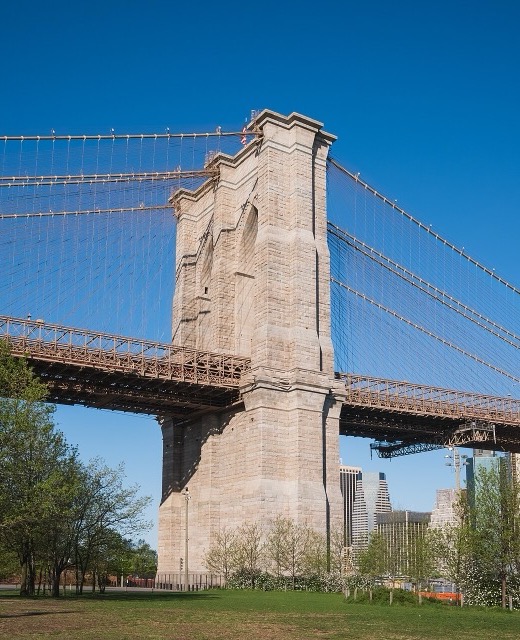
La Manhattan di Spider-Man si gira a piedi, ma non ogni inquadratura riconoscibile sta dove sembra. Il Queensboro Bridge, l'esterno del Daily Bugle nel Flatiron District e i tetti di Midtown sono veri, mentre lo skyline più ampio dietro di loro è spesso composito. Sapere quale elemento viene dalla macchina da presa e quale dal computer è la chiave per ricreare l'inquadratura.
I Luoghi Reali
La mappa pedonale parte dal Flatiron District, dove l'edificio triangolare all'incrocio tra Fifth Avenue e Broadway ha fatto da esterno del Daily Bugle nei film di Spider-Man. È un edificio per uffici molto noto, non la redazione immaginaria. Da lì il percorso salta al Queensboro Bridge. Il ponte è un attraversamento dell'East River in funzione, con una passerella pubblica pedonale e ciclabile, e la campata d'acciaio nei film è quella vera.
I tetti di Midtown sono il terzo strato reale. I film hanno ripreso gli attori su veri set allestiti sui tetti e su tetti locali, spesso all'altezza dei tetti di Manhattan dove si vedono torri idriche e parapetti. Il problema per chi visita è che la maggior parte di quei tetti è privata.
Il Trucco del Compositing
La città nell'inquadratura non è sempre la città del luogo di ripresa. L'inquadratura del Daily Bugle mette il Flatiron District in primo piano, ma alcune viste di strada sono state allargate con edifici digitali in post-produzione. L'impalcato del Queensboro Bridge è vero, mentre lo skyline oltre il ponte è spesso una matte painting realizzata da un'altra ripresa. Le riprese sui tetti di Midtown usano muri, parapetti e porte veri, mentre le torri dietro agli attori sono spesso ingrandite o spostate.
Quindi un giro a piedi deve cercare lo stesso punto di vista della macchina da presa, non il film finito. Sul ponte, mettiti sulla passerella pedonale e guarda verso Manhattan. Nel Flatiron District, alza lo sguardo dal parco verso la punta a cuneo dell'edificio. La composizione ti sembrerà familiare anche se l'immagine finale non combacia esattamente.
Come Percorrerlo da Soli
Inizia dal Flatiron District prima delle 9 di mattina per trovare meno gente sul lato di Fifth Avenue. La posizione classica è all'estremità sud di Madison Square Park, guardando verso nord alla punta a cuneo. Poi vai all'ingresso della passerella del Queensboro Bridge lato Manhattan, vicino a 60th Street e First Avenue. Cammina sulla passerella verso la torre del Queens, poi girati: da quel punto senza ombra si vede lo skyline di Manhattan dietro la campata. Nei giorni caldi, tieni la camminata sotto l'ora.
Per la parte sui tetti, prenota Top of the RockTop of the RockRockefeller Center's observation decks, prized for the head-on view of the Empire State Building and Central Park.. La terrazza all'aperto è alla stessa altezza dei tetti di Midtown che i film usano per le riprese dall'alto, con l'Empire State BuildingEmpire State BuildingThe 1931 Art Deco skyscraper whose 86th floor open-air deck remains the classic New York observation experience. ben visibile. L'ingresso parte da 40 USD (cifra indicativa) e i turni del mattino sono meno affollati. Controlla le recensioni dei viaggiatori sulla pagina di Top of the Rock prima di scegliere tra questo e l'86° piano dell'Empire State Building.
I migliori tour e biglietti a New York
Selezionati da Viator. Se prenoti potremmo ricevere una commissione, senza costi extra per te.


All-Access 9/11: Ground Zero Tour, Memorial and Museum, One World Observatory


Domande frequenti
Dov'è il Daily Bugle nei film di Spider-Man?
I visitatori possono percorrere a piedi il luogo delle riprese del Queensboro Bridge?
Le scene sui tetti di Midtown sono luoghi esatti?
Sintesi editoriale prodotta con supporto IA e revisionata. I fatti sono come riportati dalle fonti linkate nel testo. Verifica le informazioni importanti prima di agire. Hai notato un errore? Usa il modulo di contatto e lo correggeremo.
Tutti i prezzi e gli orari di questa pagina sono STIME e cambiano spesso. Sono un punto di partenza di un editor indipendente, mai dati ufficiali o garantiti. Verifica sempre il prezzo finale e gli orari con la fonte ufficiale prima di prenotare o partire.